What Age Should My Child Start Preschool?

A straightforward guide for parents trying to figure out the right timing — not just the "typical" age.

Quick answer: Most children start preschool between 2.5 and 4 years old, though many quality programs accept children as young as 18 months in dedicated toddler tracks. The right age depends less on a birthday and more on your child's readiness for basic routines, brief separation from parents, and simple group activities — not on hitting a specific number.

There's No Single "Correct" Age

Parents often search for a hard rule — "preschool starts at age 3" — but early childhood education doesn't work that cleanly. Programs vary widely in what they offer at each age:

  • 18 months – 2 years: Toddler / early learner programs focused on routine, sensory play, and language exposure

  • 2.5 – 3 years: Traditional preschool entry point at many centers, often the first time a child is in a structured group setting

  • 3 – 4 years: The most common preschool starting age nationally, when most kids can follow simple instructions and engage in group activities

  • 4 – 5 years: Pre-K / transitional kindergarten programs, focused directly on kindergarten readiness

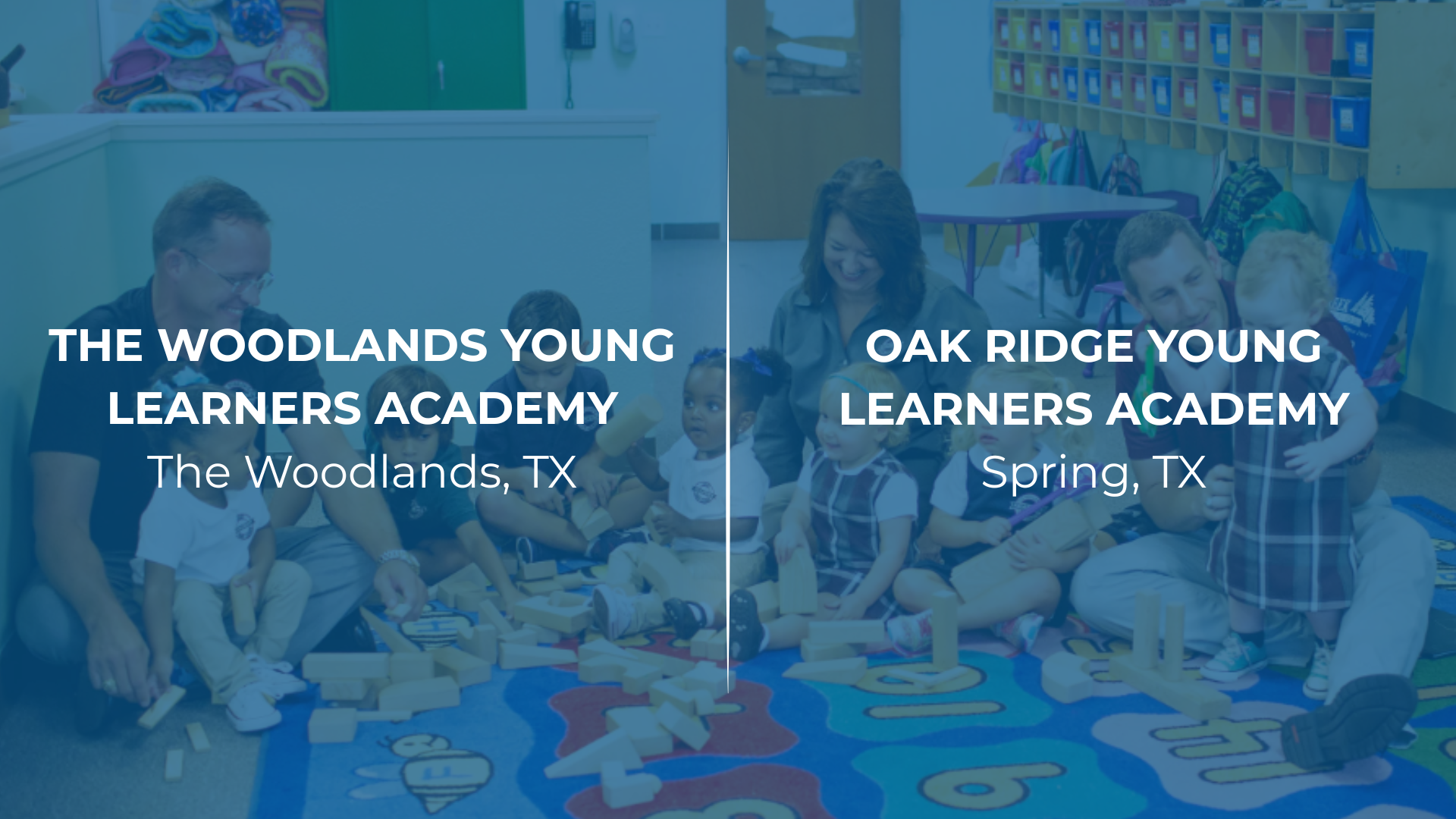
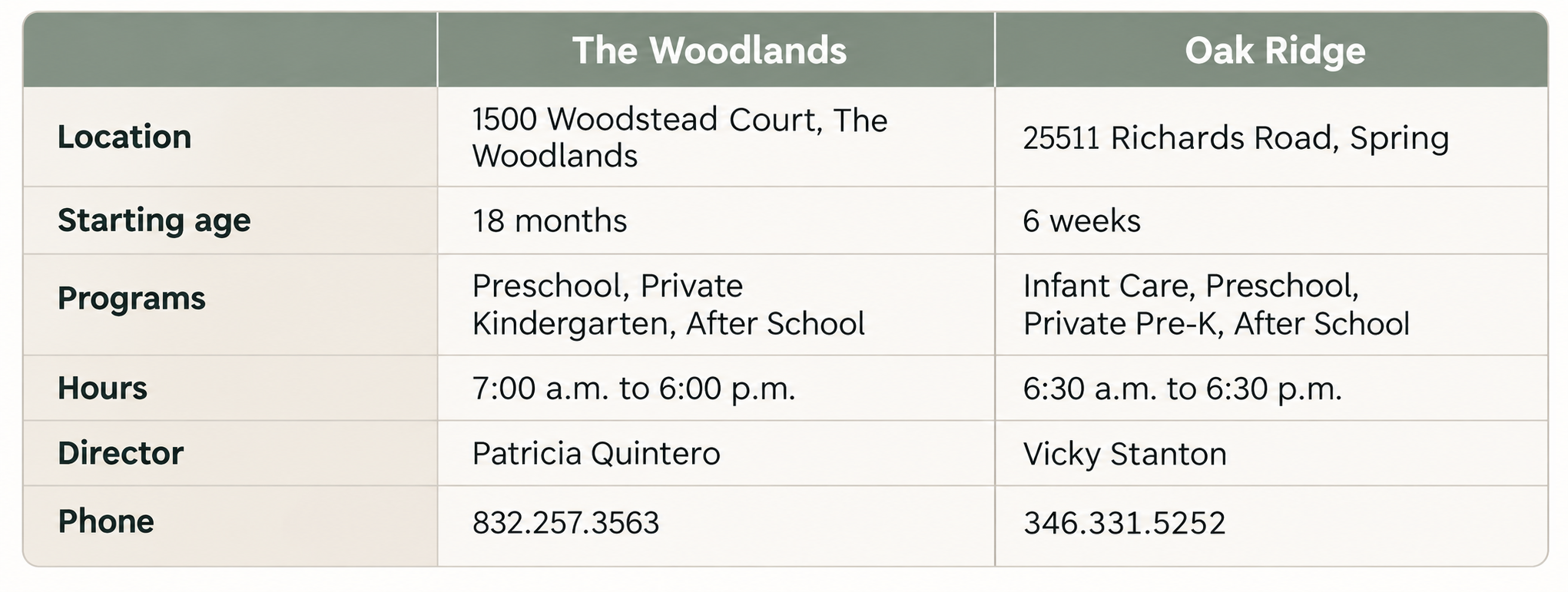
If a program only starts at age 3, that doesn't mean age 3 is the "right" age — it just means that's where their curriculum begins. Programs that accept children starting earlier — like The Woodlands Young Learners Academy, which welcomes children from 18 months, or its sister campus Oak Ridge Young Learners Academy, which starts at just 6 weeks — are built around a different, earlier readiness window entirely.


Readiness Signs Matter More Than Age

Instead of asking "how old should my child be," a more useful question is: is my child ready for the structure preschool requires? A few signs worth considering:

Signs your child may be ready:

  • Can separate from you for a few hours without prolonged distress

  • Shows interest in other children, even if play is still parallel rather than cooperative

  • Can follow a simple two-step instruction ("pick up the toy and put it in the bin")

  • Has some ability to communicate basic needs (verbally or with gestures)

  • Is developing a basic routine around naps, meals, and activity

None of these need to be perfected. Preschool is where these skills are built and practiced — not a bar a child must clear beforehand. A good program meets your child where they are and grows those skills over the year.


Why Starting Earlier Can Be an Advantage

There's a common assumption that "more time at home" is automatically better before preschool. For many families, though, early structured environments offer real benefits:

  • Social development — Learning to share, wait, and interact with peers happens faster in a group setting than it typically does at home.

  • Language exposure — Toddler and early preschool classrooms expose children to more varied vocabulary and conversation than a single-caregiver environment often can.

  • Routine and independence — Structured days (snack time, group activities, transitions) help build independence skills earlier.

  • Early identification of needs — Experienced early childhood educators, working with many children at once, are often positioned to notice developmental patterns — speech, motor skills, social behavior — that are harder to benchmark at home.

This is exactly why some centers open enrollment as early as 18 months: the goal isn't to accelerate childhood, it's to give kids a head start on the social and structural skills that make the eventual jump to kindergarten smoother.


What If My Child Isn't "Ready" Yet?

It's common for parents to worry their child needs to be fully potty-trained, verbally fluent, or completely comfortable with separation before starting. In practice, quality preschools are built to support children through these milestones, not require them in advance. A good program will:

  • Have a clear, gentle process for the first few weeks of separation anxiety

  • Offer age-appropriate expectations (a class of 2-year-olds is not held to the same standard as a class of 4-year-olds)

  • Communicate proactively with parents about how a child is adjusting

If you're unsure, the best move is usually to visit a few programs and ask directly how they handle new starters at your child's specific age and stage — rather than trying to solve readiness in the abstract.


Frequently Asked Questions

What is the youngest age a child can start preschool? Many quality programs accept children starting at 18 months in dedicated infant/toddler tracks, though most traditional preschool classrooms begin around age 2.5 to 3.

Is it bad to start preschool "too early"? No — as long as the program is age-appropriate. Toddler programs are structured very differently from preschool classrooms for 3- and 4-year-olds, with far more focus on routine, sensory play, and gentle social exposure rather than academic structure.

Should my child be potty-trained before starting preschool? It depends on the program and age group. Many toddler programs are built to support children who are not yet potty-trained, while some preschool classrooms for older children may require it. Ask directly when touring.

What's the difference between starting preschool at 2 versus starting at 4? Starting earlier (around 18 months–2 years) typically means more focus on social-emotional development, routine, and language exposure. Starting later (around 4) usually means entering a more academically structured, kindergarten-readiness-focused classroom. Neither is objectively "better" — it depends on your child and your goals.


See What the Right Age Looks Like in Person

The best way to judge readiness isn't a checklist — it's seeing how a program actually works with children at your child's age. The Woodlands Young Learners Academy welcomes children starting at 18 months, with age-specific classrooms that grow with your child through Private Kindergarten. Our sister campus, Oak Ridge Young Learners Academy, welcomes children even earlier — starting at just 6 weeks.

Schedule a tour and ask us directly:

The Woodlands Young Learners Academy 📍 1500 Woodstead Court, The Woodlands, TX 77380 📞 832.257.3563 🕐 Monday–Friday, 7:00 a.m.–6:00 p.m. Schedule a Tour →

Oak Ridge Young Learners Academy 📍 25511 Richards Rd, Spring, TX 77386 📞 346.331.5252 🕐 Monday–Friday, 7:00 a.m.–6:00 p.m. Schedule a Tour →

Best Preschool in The Woodlands, TX: What to Look for in 2027

Choosing a preschool is one of the first big decisions you'll make for your child's education. Here's what actually matters — and how to tell the difference between a good preschool and a great one.

If you're searching for the best preschool in The Woodlands, TX, you already know the area isn't short on options. What's harder to find is a clear way to evaluate them. Brochures all say the same things: "nurturing environment," "individualized learning," "experienced staff." So how do you actually compare?

Quick answer: The best preschools in The Woodlands share five traits — consistent community recognition over multiple years, curriculum aligned to Texas Essential Knowledge and Skills (TEKS), low staff turnover with on-site ownership, enrichment beyond the core classroom (music, science, technology, Spanish, PE), and transparent, structured communication with parents. Below, we break down each one and show you exactly what to ask on a tour.


1. Look for Sustained Recognition, Not a One-Year Win

Almost any preschool can win an award once. What's harder — and far more telling — is winning consistently, year after year, as families' needs and expectations change.

The Woodlands Young Learners Academy (TWYLA) — and its sister campus, Oak Ridge Young Learners Academy (ORYLA) in Spring, TX — has been voted one of Woodlands Online's Best Preschools & Childcare Centers for 13 consecutive years (2013–2026), and was named the #1 Best After School Program for four consecutive years running (2023–2026). In 2026 alone, TWYLA also picked up recognition for Best Performing Arts Program.

That kind of streak isn't an accident. It means real families, in your community, have evaluated this school against every other option year after year — and kept choosing it.

What to ask on a tour: "How long have you been recognized by local family/parent organizations, and for what specifically?" A school that can answer with specifics (not just "we've won awards") is one that takes the distinction seriously.


2. Confirm the Curriculum Is Actually Standards-Aligned

"Curriculum" is one of the most overused words in early childhood marketing. The real question is: aligned to what?

Look for a program built around the Texas Essential Knowledge and Skills (TEKS) — the state's official learning standards — so that what your child learns at 3 or 4 years old genuinely prepares them for kindergarten, rather than just keeping them busy. The strongest programs go a step further and incorporate Gifted Program Standards, which set benchmarks for the kind of higher-level thinking and enrichment that stretch a child's potential rather than just meeting a baseline.

What to ask on a tour: "Can you walk me through how your curriculum maps to Texas kindergarten readiness standards?" If the answer is vague, that's worth noting.


3. Prioritize Schools Where Ownership Is On-Site

There's a meaningful difference between a preschool run by a distant corporate franchise and one where the owners are in the building daily. On-site ownership tends to mean faster problem-solving, more consistent staffing decisions, and directors who actually know your child's name and habits — not just their file number.

At TWYLA, this shows up directly in leadership: Director Patricia Quintero has been with the school for nine years, starting as a lead teacher in the 3-year-old classroom before moving into administration and earning her Director's Accreditation. That kind of continuity at the top tends to trickle down into classroom stability, too.

What to ask on a tour: "How long has your director been with the school, and how often are the owners on-site?"


4. Evaluate What Happens Outside the Core Classroom

Strong academics matter, but the preschools that stand out in 2027 offer structured enrichment beyond the daily classroom routine — giving kids exposure to different teachers, peer groups, and skill areas throughout the week.

Look for on-site resources like a library, computer lab, music room, science lab, and gym, along with rotating "specials" that might include Spanish, performing arts, and physical education. These rotations aren't just extracurricular filler — they help kids build adaptability, broaden their social circle beyond their homeroom, and discover interests early.

What to ask on a tour: "What does a typical week of enrichment rotations look like for my child's age group?"


5. Assess Communication and Parent Partnership

The best preschools treat parents as partners, not just tuition payers. That means proactive communication — classroom newsletters, transparent billing, and small conveniences that reduce daily friction for busy families (on-site coffee, electronic tuition payment, even dry cleaning drop-off, in TWYLA's case).

It also means responsiveness. A school that's genuinely confident in its program will welcome tough questions and offer a tour without hesitation.

What to ask on a tour: "How and how often will I hear from my child's teacher, and what does that communication actually look like day-to-day?"


Frequently Asked Questions

What age can my child start preschool in The Woodlands? Most reputable preschools in The Woodlands, including TWYLA, accept children starting as young as 18 months, with dedicated infant care and toddler programs leading into preschool and eventually private kindergarten.

How do I know if a preschool is actually good, not just well-marketed? Check for multi-year community recognition (not a single award), standards-aligned curriculum (like TEKS), low leadership turnover, and enrichment programs beyond the core classroom. Ask specific questions on your tour rather than relying on brochure language.

Is private kindergarten worth it compared to public kindergarten? It depends on your priorities — smaller class sizes, individualized attention, and extended enrichment (music, science labs, foreign language) are common advantages of private kindergarten, while public kindergarten offers no tuition cost and different social exposure. Many families tour both before deciding.

What's the difference between daycare and preschool? Daycare is primarily supervised care with a focus on safety and basic development, while preschool incorporates structured, standards-based early education designed to prepare children academically and socially for kindergarten.


See It for Yourself

The best way to evaluate a preschool isn't a website — it's a visit. The Woodlands Young Learners Academy has been voted one of the best preschools and childcare centers in The Woodlands for 13 consecutive years, with enrichment rotations, a TEKS-aligned curriculum, and a director who's been part of the TWYLA family for nearly a decade. Families in Spring can find that same standard of care at our sister campus, Oak Ridge Young Learners Academy.

Schedule a tour today:

The Woodlands Young Learners Academy 📍 1500 Woodstead Court, The Woodlands, TX 77380 📞 832.257.3563 🕐 Monday–Friday, 7:00 a.m.–6:00 p.m. Schedule a Tour →

Oak Ridge Young Learners Academy 📍 25511 Richards Rd, Spring, TX 77386 📞 346.331.5252 🕐 Monday–Friday, 7:00 a.m.–6:00 p.m. Schedule a Tour →

Dedicated Preschool Teachers and Staff: 2018 Perfect Attendance & Anniversaries

WE ARE SO PROUD!

Each year we take time to celebrate our amazing teachers and staff. The Young Learners is made up of passionate, knowledgeable and hardworking professionals. People you just want to be around! We like to honor those that have been with us for many years as well as those that have made it to work every single day. Wow!

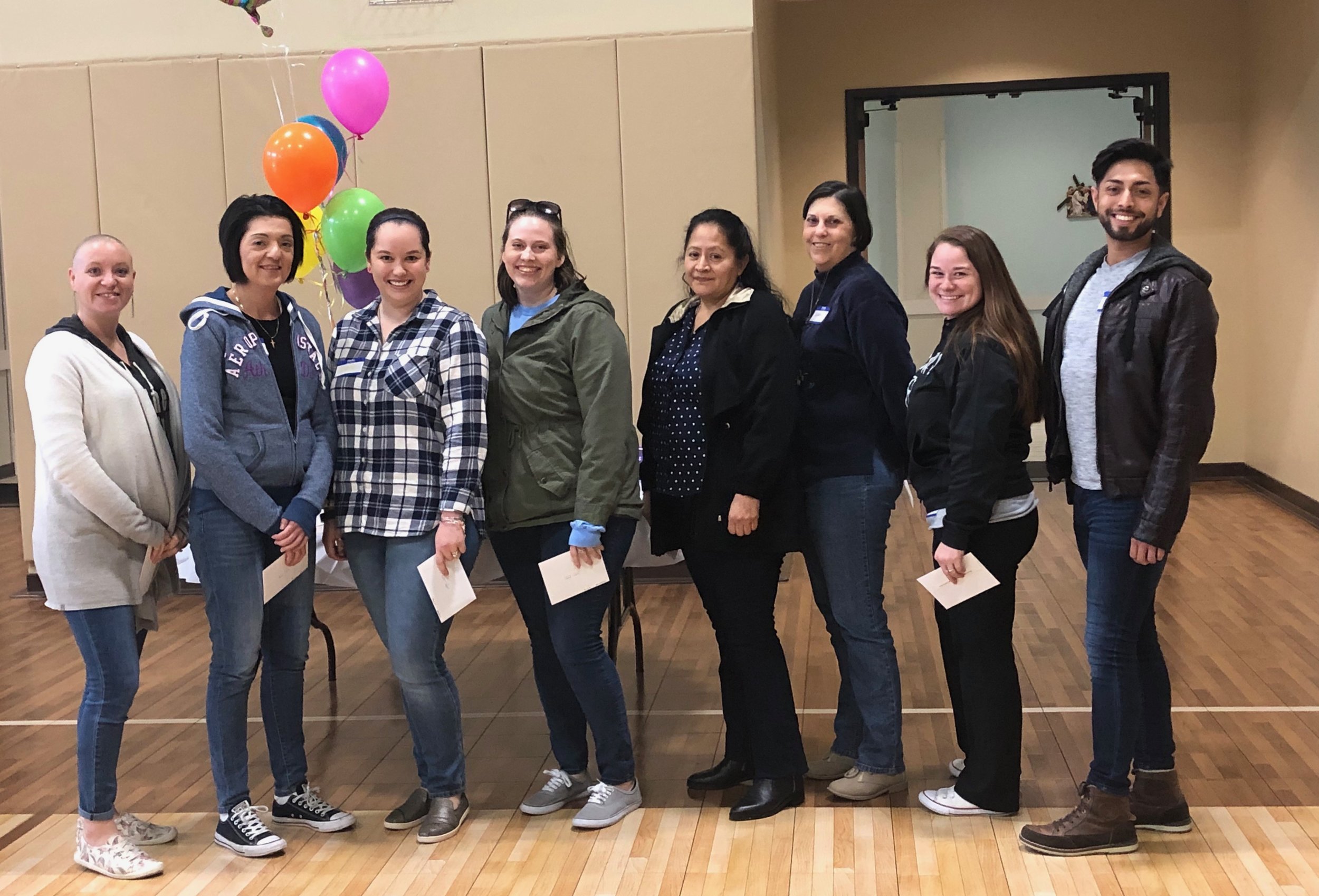
Here are the 2018 perfect attendance recipients. Showing up each and every day for our little learners. Such an amazing testimony to their love for their students. Join us in congratulating them!

FullSizeRender.jpeg

In 2018, the staff members below either celebrated their three, five or ten year anniversaries with us. Join us in congratulating them on their dedication to The Young Learners and our little learners!

IMG_1741.jpeg


We are 100 Days Brighter!

IMG_7383.JPG

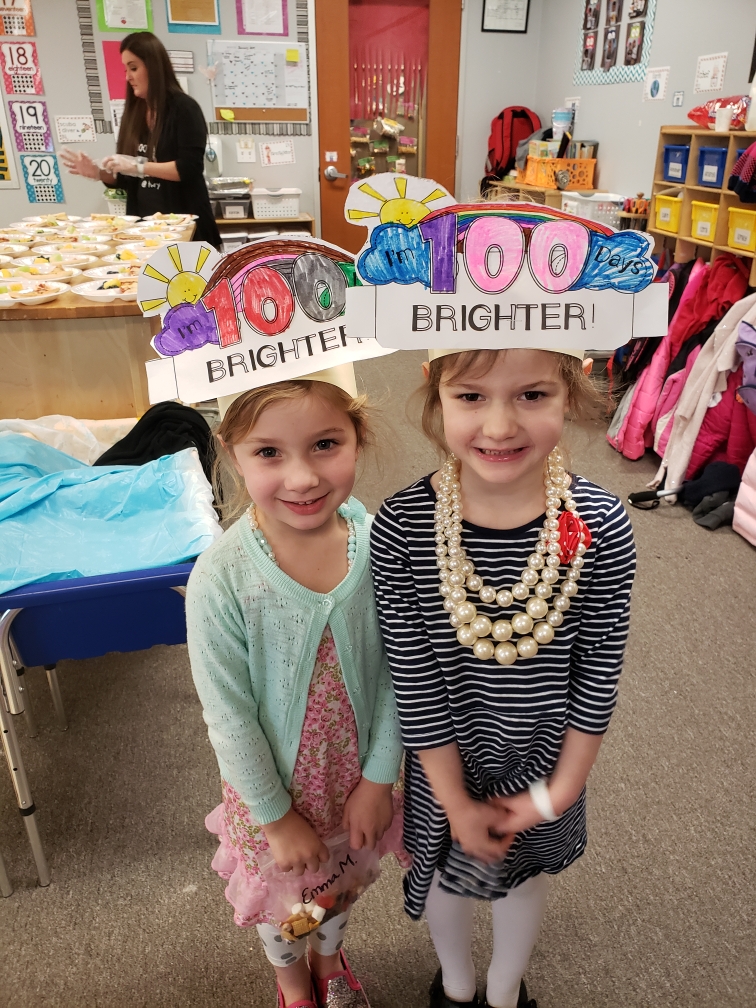
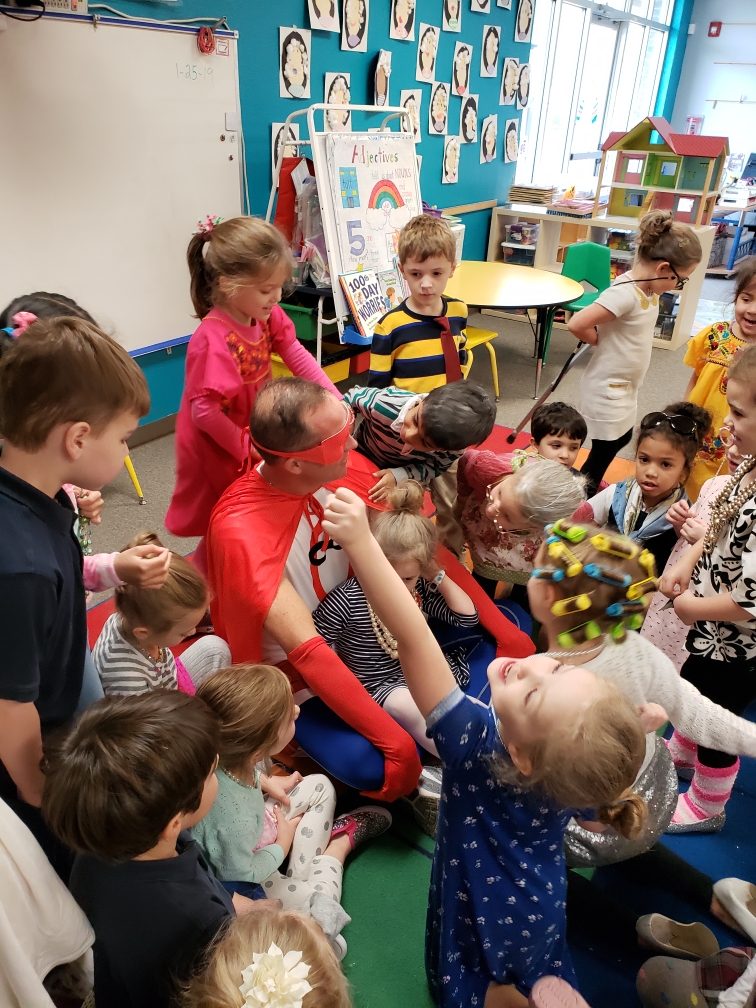
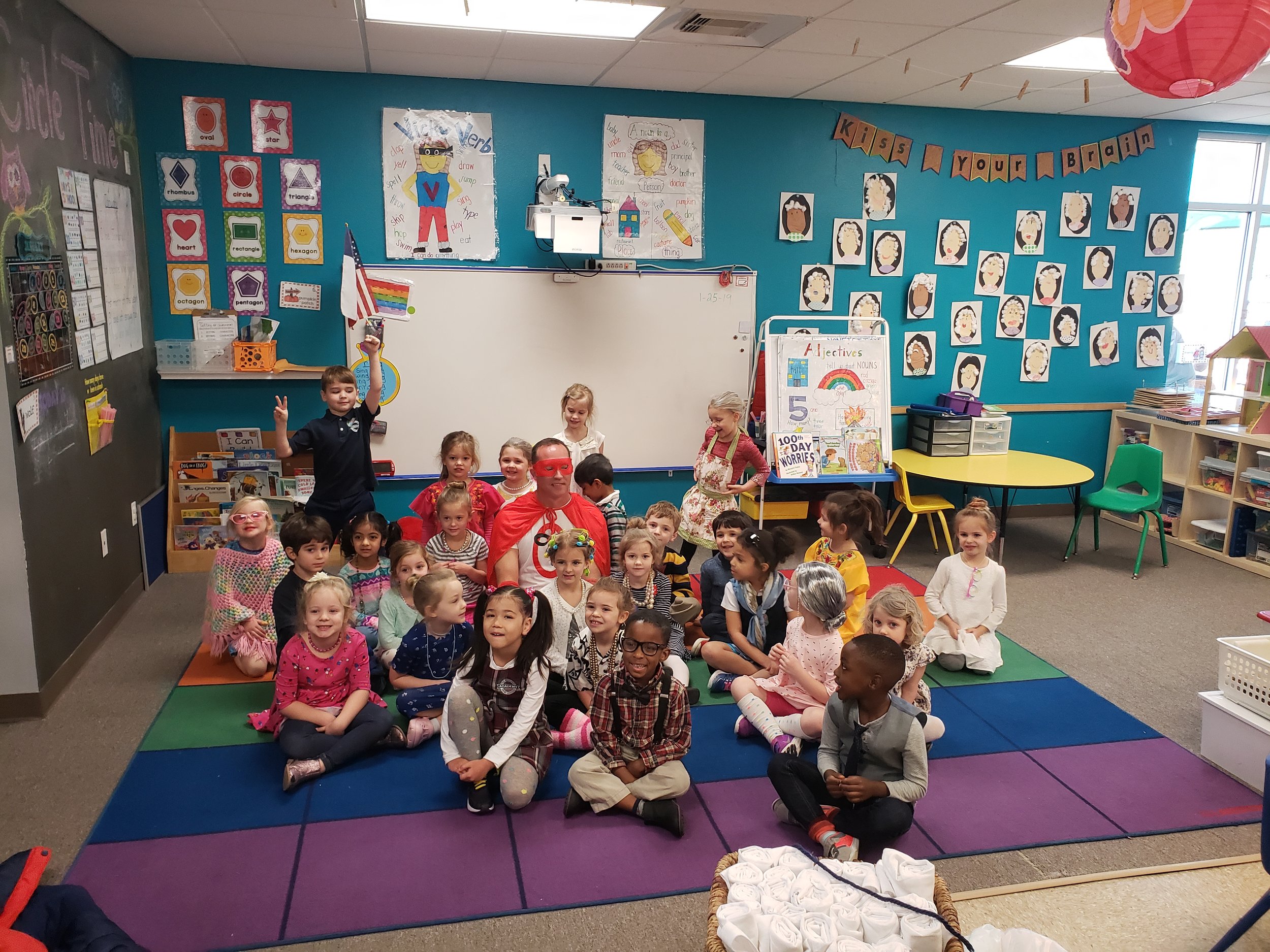
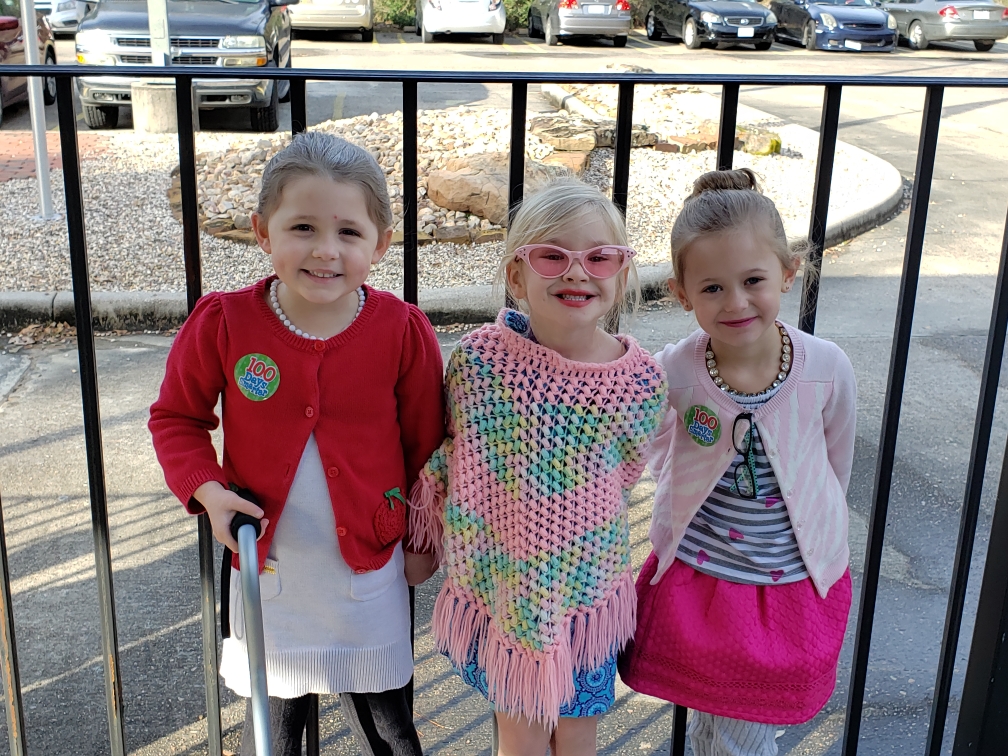
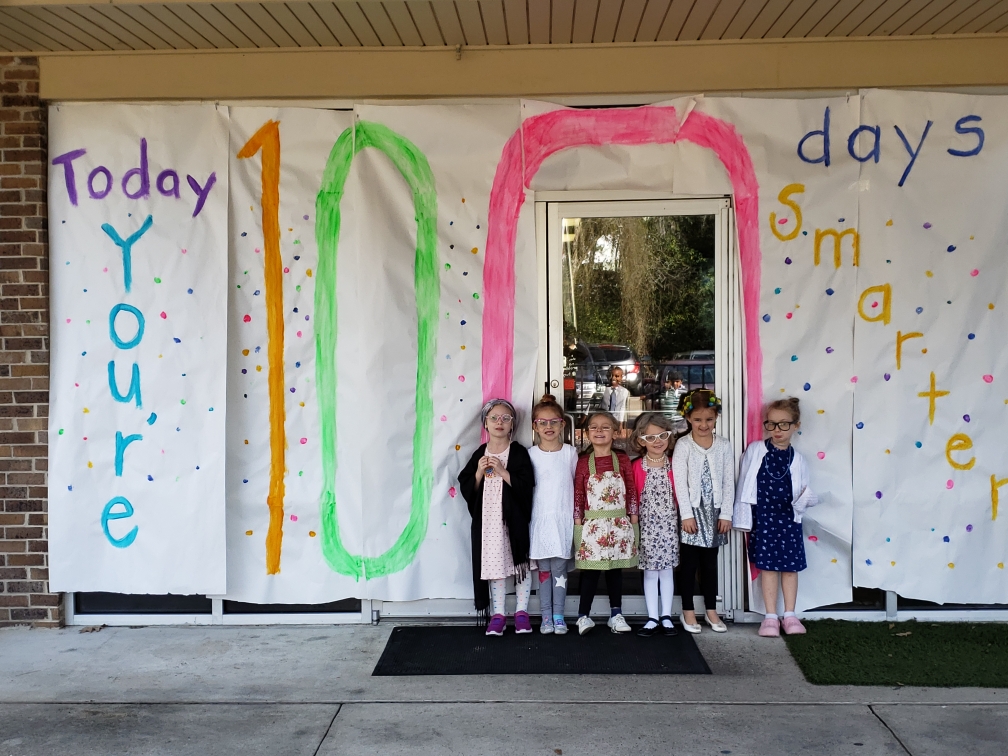
Friday, January 25th marked the 100th Day of School! We love this day. It’s a time to celebrate how far our little learners have come through play, learning and social skills. 100 Days Brighter. 100 Days Smarter!

100 Days of School is HERE.

It’s time to celebrate and CHEER.

But before we look too far AHEAD.

Let’s think of all we’ve learned INSTEAD.

Reading, Writing and Science, TOO.

Social Studies, Math and Classroom RULES.

We learned how great a friend can BE.

With kindness, trust and HONESTY.

IMG_7382.JPG

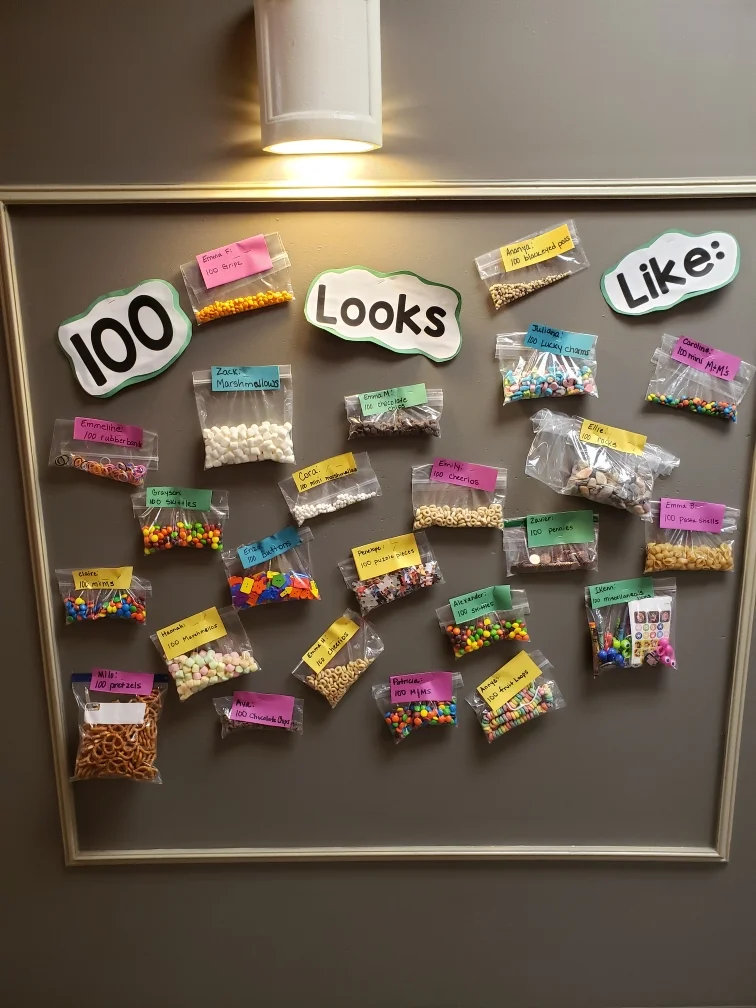
We visually showed the little ones what 100 looks like. Sometimes it’s hard to imagine or to estimate the number 100. The students had a lot of fun exploring different stations focused on the number 100. We played games, created artwork and interacted with items that added up to 100.

Our students can even count to 100 by 10’s (check our Facebook page for the video) - such smart little ones! 10, 20, 30, 40, 50, 60, 70, 80, 90 … 100!

Ask your little learners about this special day and their favorite 100 activity. Share with us below!

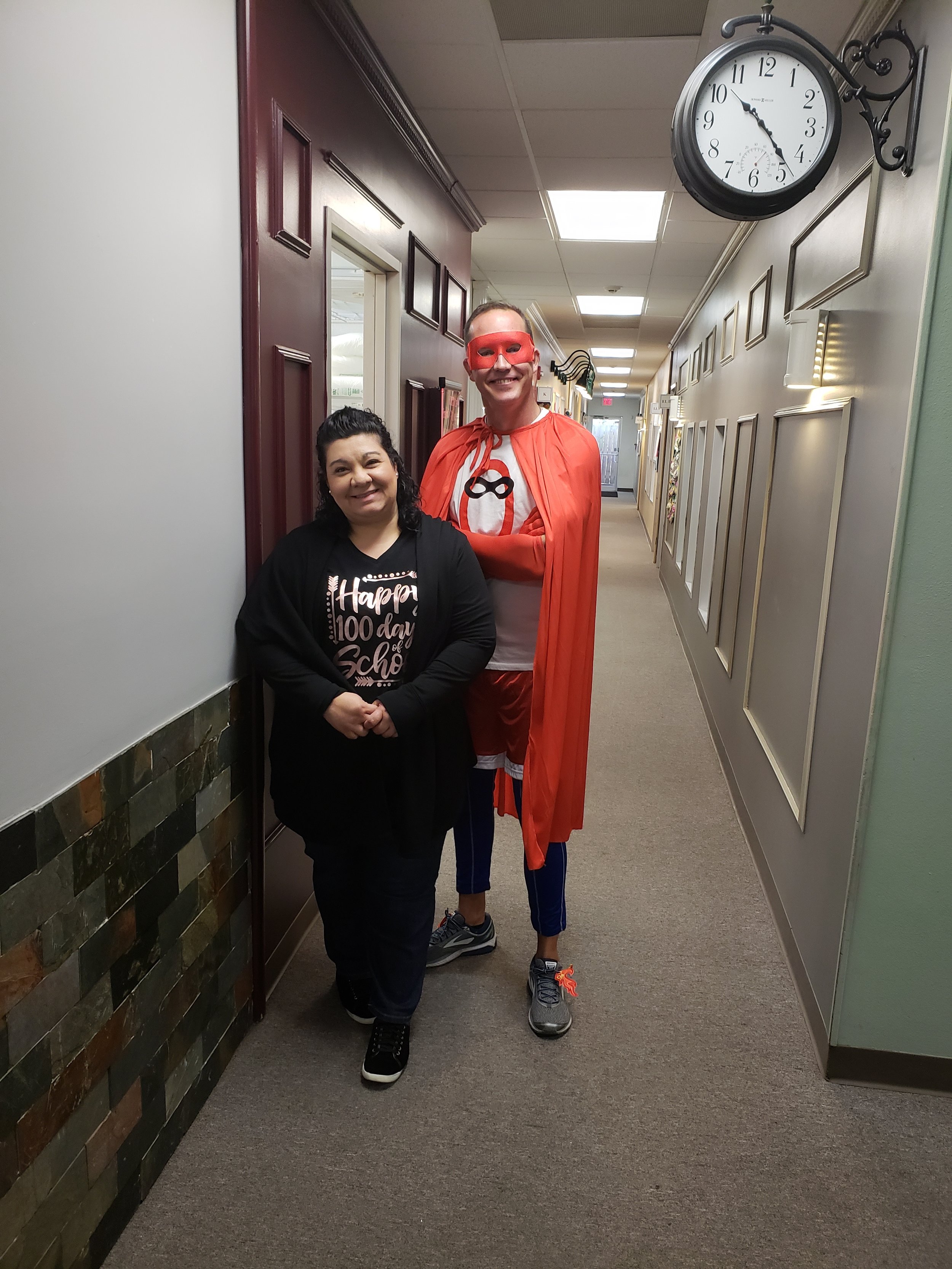
One of the highlights each year is the visit from Zero the Hero - always a crowd favorite! He’s a true number super hero. Does he look familiar to anyone? :)

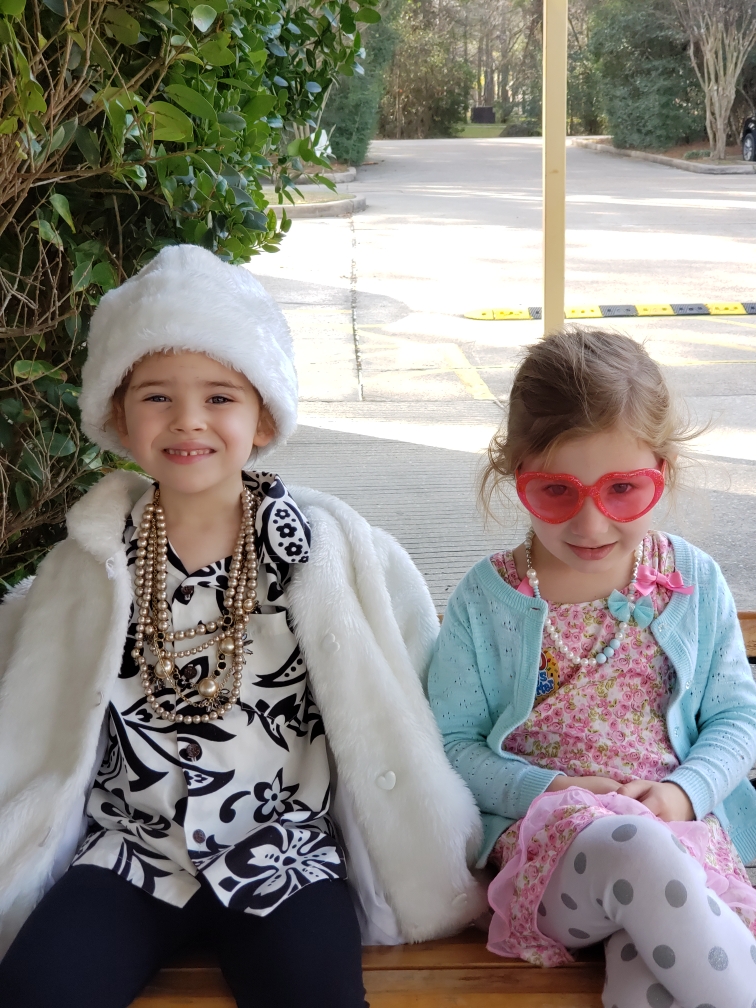
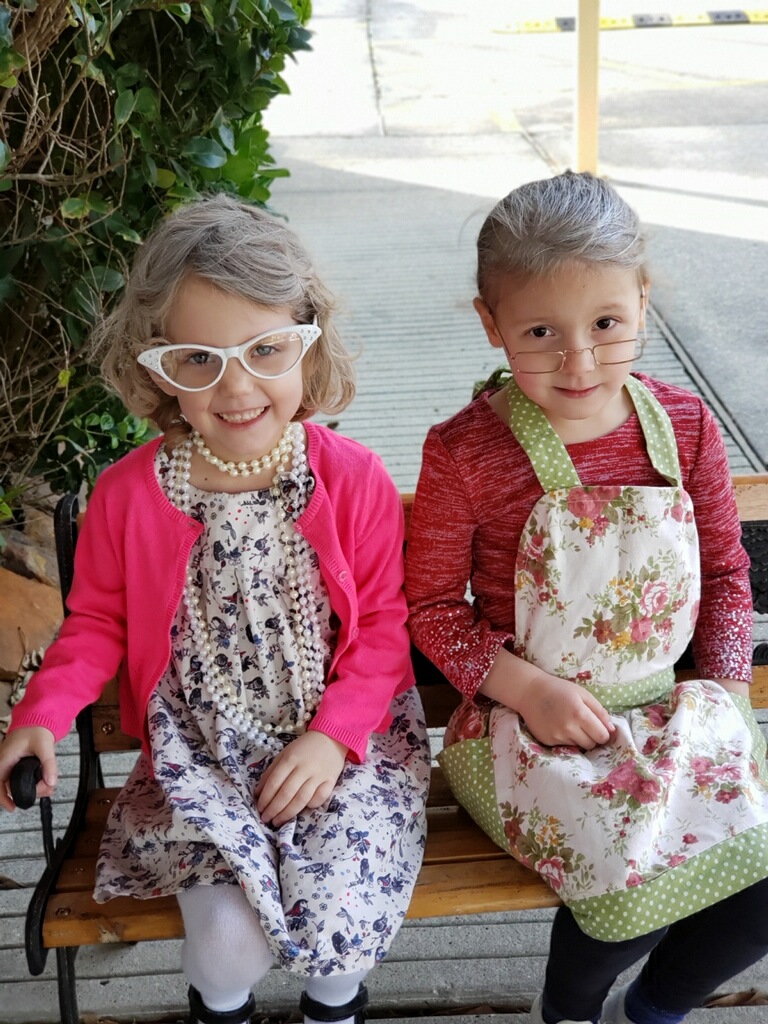
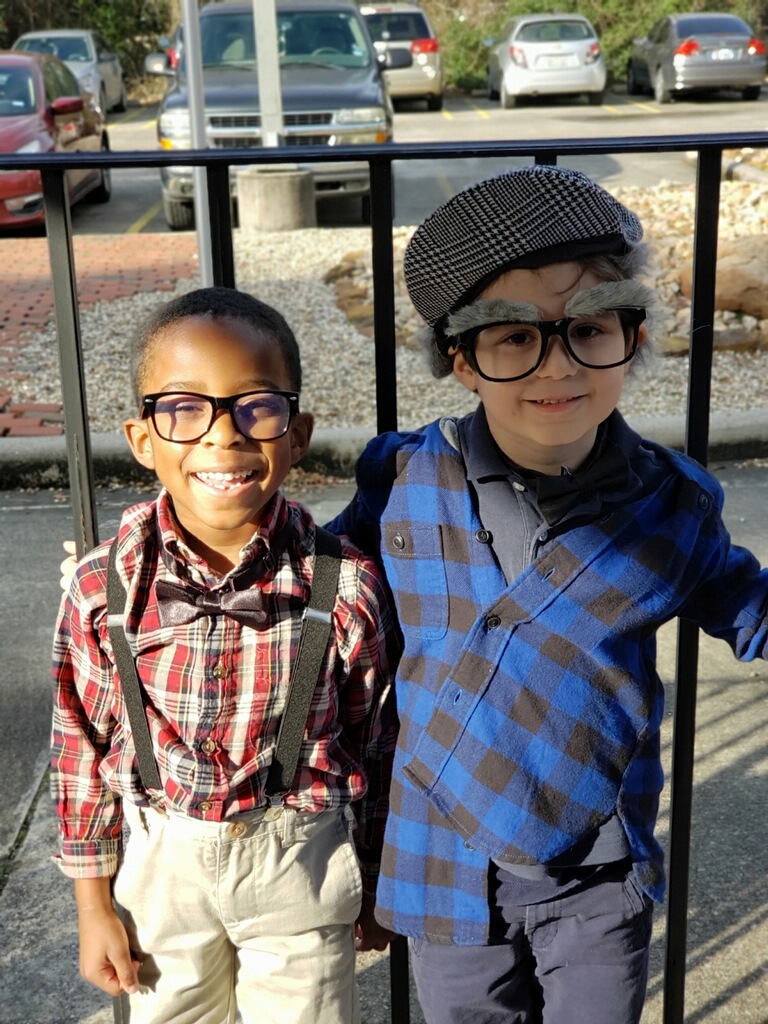
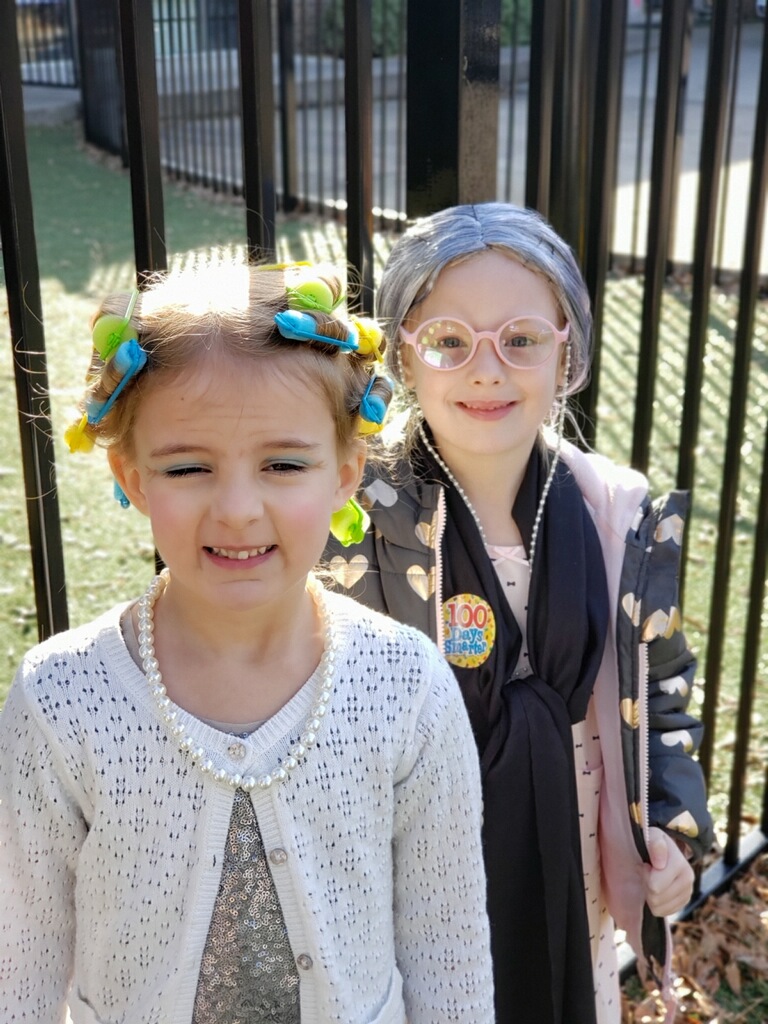
Do these little ones looked a little aged to you? Oh, so fun to see them dressed as if they were suddenly 100 years old! Do you see your little learner?

IMG_7385.JPG

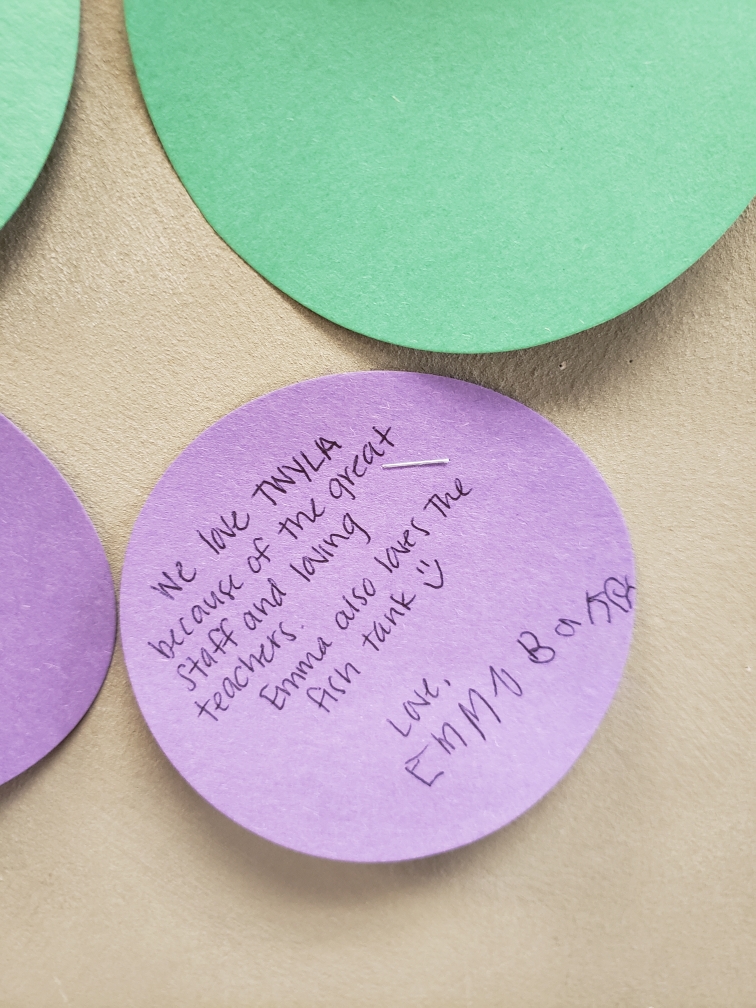
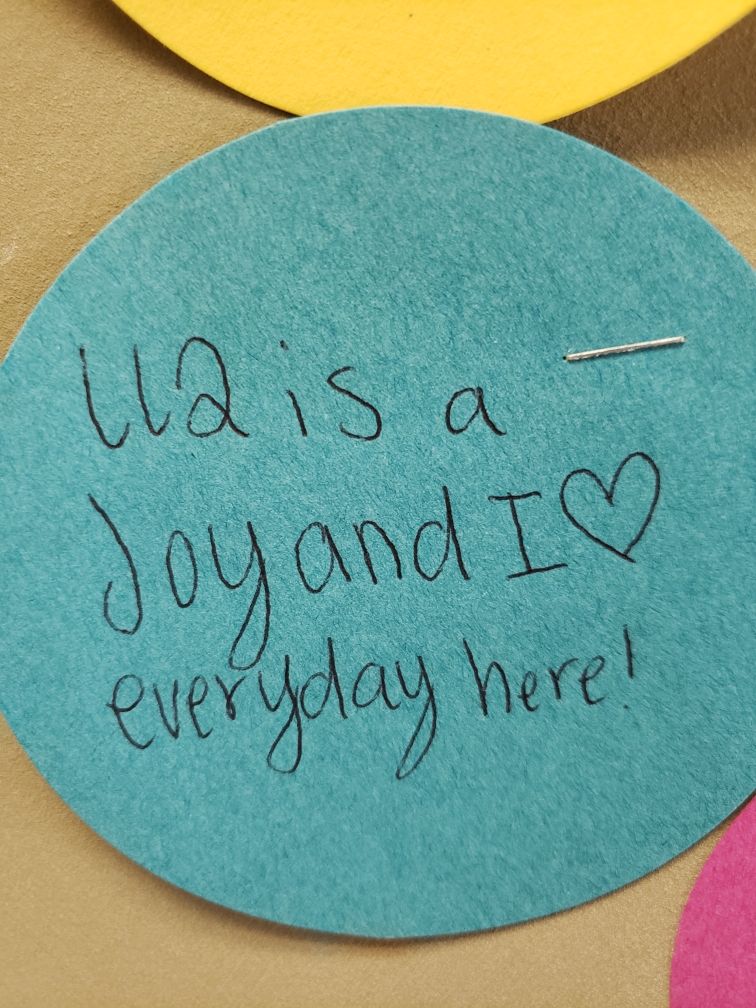
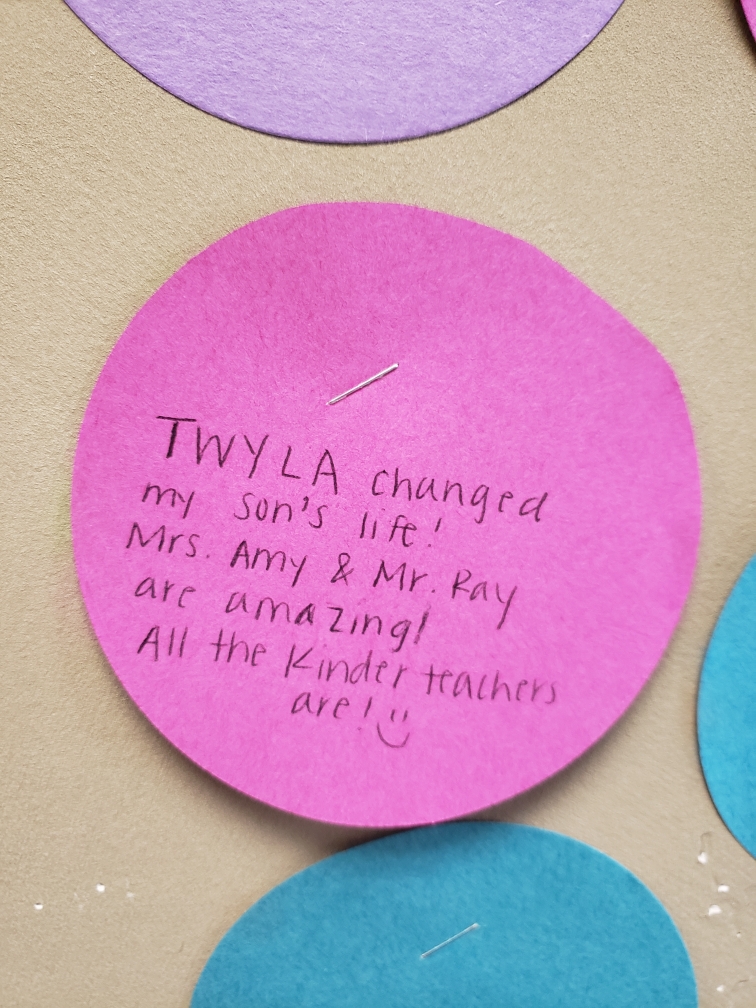
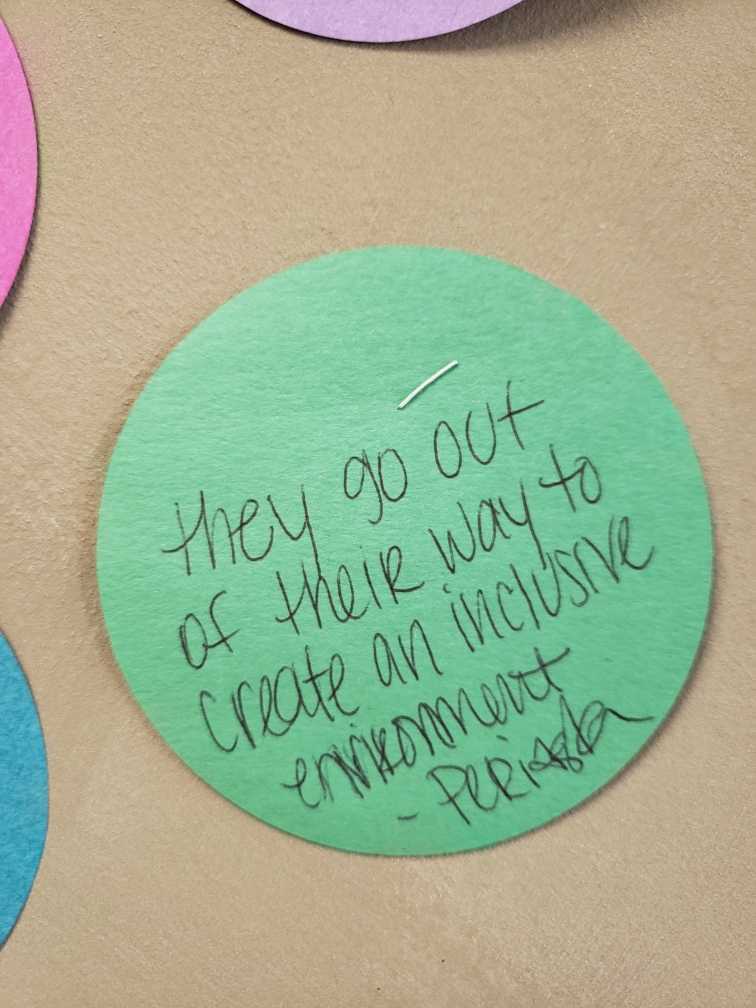
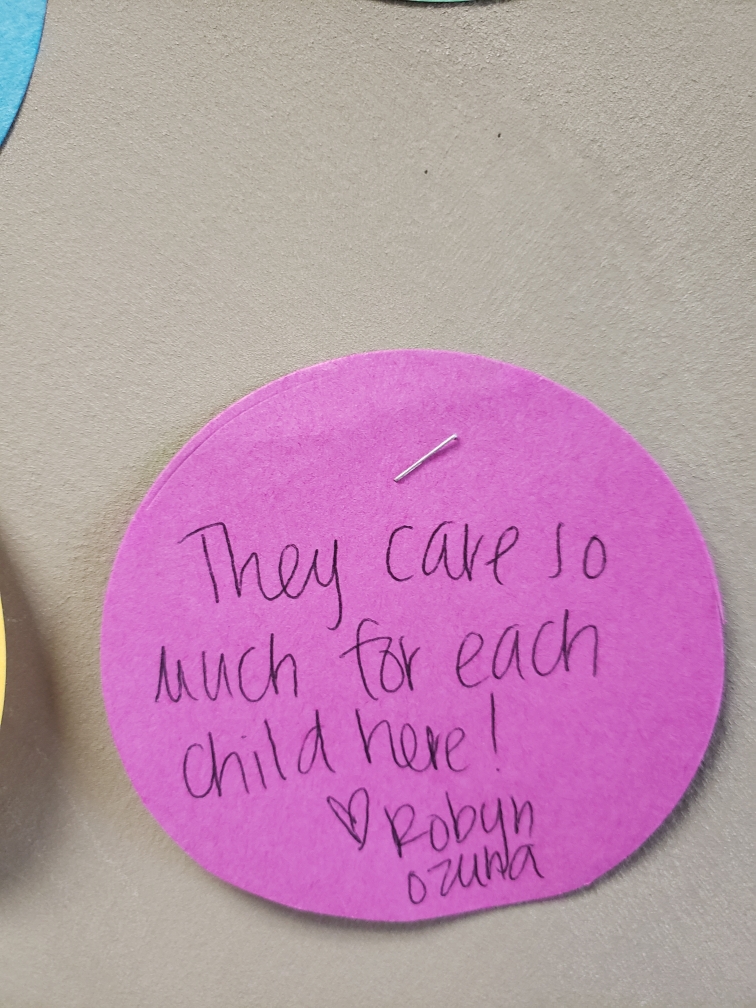
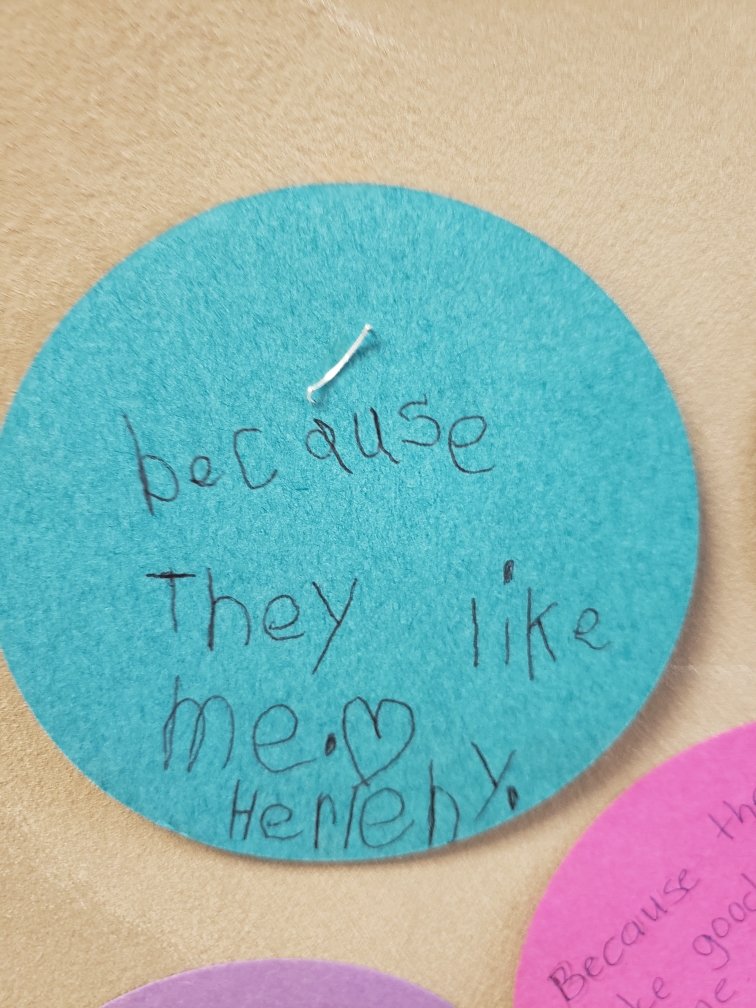
This year, at TWYLA, we set up a wall to encourage our students and their families to write down why they love our teachers, staff and attending TWYLA. We were humbled by the sweet words they wrote!


Preschool and Kindergarten Handwriting: Getting it Right the First Time

Untitled design (5).jpg

[Written by: Debbie Kaschik / Owner / Educator for over 30 years]

One of the biggest challenges as a teacher is to re-teach handwriting. The reason I say re-teach is because typically a child picks up handwriting habits that might be hard to break. It’s not always about the perfect form, let’s face it, as adults we have trouble reading some of our friend’s and family’s handwriting. At this age, it’s about weight lifting for the fingers! Build those fine motor skills and handwriting becomes much easier. How do you do that?

If you are making a mess, you are working on fine motor skills!

  • Playdough! Great for fine motor!

  • Using scissors. There are one million and one scissors on the market. Buy one you like and start cutting. Save those old magazines and cut, cut, cut!

    • The pick-up of the cuts are fine motor practice too!

    • Side note – EVERY child cuts something other than what you want them to at some point…. their hair, their friend’s hair or their clothing. (just fyi)

  • Button, zip and snap! (as they practice dressing themselves)

  • Painting, finger and brush.

  • Puzzles

  • Puppet shows

  • The list goes on! Check with Siri or “Hello Google” for many more ideas!

  • Set aside a time for fine motor. Because you are having fun with your child, they won’t even know they are “working out” for the sake of fine motor.

Helpful Links:

https://www.hwtears.com/hwt

http://families.naeyc.org/learning-and-development/child-development/help-your-child-build-fine-motor-skills

M E S S Y Monday: Celebrating Summer at TWYLA

35266908_1956752547710940_1506355858043305984_n.jpg
36225275_1978647015521493_2801746349890994176_n.jpg
35114138_1954265021293026_5150827499248156672_n.jpg
36243203_1978645012188360_9157258973907255296_n.jpg

"Play gives children a chance to practice what they are learning." -Mr. Rogers

Each Monday, during the summer, our little TWYLAs enjoy Messy Monday - an opportunity to learn through messy and fun play. Our kiddos love it!

We kicked off our Messy Mondays with Rorschach t-shirts. How great did these turn out? Next, our little ones explored play through mud - so messy, so fun!

Follow along on our Facebook page this summer to discover all of the M E S S Y fun we have planned!

Shining a Light on Autism Services & Programs

spryART-0844_WEB.jpg

Throughout the month of April, The Young Learners will be supporting World Autism Awareness Day. Coming together with thousands of organizations, all over the world, to Light It Up Blue! On April 2nd, each of their three facilities decked the halls in blue with lights, decor, handprints and puzzle pieces. Staff, parents and students wore blue to show support. In addition everything was BLUE - blue food, blue milk, blue sand play, blue toys and lots of puzzles.

A true celebration of acceptance and awareness for Autistic children and their families!

Services

The Learning Lane  program serves learners with Autism ranging in ages from 12 months to 7 years old. While the groups are arranged in a developmental sequence, we are responsive to the needs of the individual children that enter into services. It’s our pleasure to offer the following services to our children and their families. 

  • Diagnostics - diagnostic evaluations are offered for those with suspected or known Autism Spectrum Disorder diagnoses to confirm or rule out an Autism Spectrum Disorder diagnosis or to update other assessment information.
  • Inclusion - inclusionary opportunities for group interaction within a traditional preschool setting are available to children that meet the necessary criteria. Children are supported by ABA trained staff mixed with daily one on one assistance.
  • Shadowing - to facilitate the transition from our intensive Clinical setting to a more typical classroom environment
  • Social Skills - provides direct instruction in functional social skills through a comprehensive module system in a “safe” environment, providing children the opportunity to develop the skills needed for success in the social arena.

To learn more about our Diagnostic Evaluation, please click here!

Is My Child Ready for Kindergarten?

Ready for Kindergarten Blog Post Photo.jpeg

This question is one of the most asked question we get as a preschool. Our first job is to follow the Texas Essential Knowledge of Skills (TEKS) for guidelines. This will provide you with a comprehensive list of all the skills that are expected of your child when entering Kindergarten.

Don’t panic if your child does not know EVERY single item on the skills list! Don’t start drilling and tutoring! Your child is just 5. Childhood is all too often rushed or passed by because of worry that ‘my child will not do well or know enough’. Rushing and drilling will not improve the situation, it will only hinder it or worse, your child might develop a dislike for school and learning before he/she even starts. It’s a lot like potty training, your child will progress when he/she is ready, you can’t force it.

The answer, make it fun!! Make learning so much fun, your child will not know they are learning! Make it messy, that’s even better! Google, Pinterest, Lakeshore Learning and other teacher supply stores, there are so many resources available!

The next question is always the social/emotional question. Is my child ready socially and emotionally? This is the million-dollar question! Again, something and the main thing that can’t be rushed. When we are deciding where to place kiddos in our program, we look at the whole child and also consider what it might be like to be 17 or 18 graduating from high school and headed to college. Some people laugh at that consideration while it is so far away, but it’s worth a look! The tagline we hear a lot is “When in doubt, hold them out”. That’s not a bad tagline, but ultimately you have to decide what is best for your child. We are lucky to live in an area with excellent schools, teachers, and administrators. If you have any doubts, schedule an appointment with your school’s counselor. Take in samples of your child’s work and discuss what is best for your child.

A good place to start is to focus on letters and numbers. Practice alphabet letters out of order. A child singing the alphabet perfectly may not “know” the letters. Ask your child the letter names (upper and lower case) and the sound the letter makes. Count objects, not just rote counting. Your child needs to be able to write his/her name correctly. Uppercase letter at the beginning then lower case letters. (example: Debbie) These are just a few items to start with. Take a look at the skills list and see where your child is. Most districts have a Kindergarten open house. If that event has passed, ask the Kindergarten team or front office at your school for information from those meetings. Some programs will be outlined and you will know what to expect.

Good Luck and remember, enjoy your child at every stage. Don’t rush to the next stage to then rush to the next stage and the cycle begins. Slow down, let your child develop naturally and successfully.