
A closer look at one of the most talked-about (and least understood) parts of a strong preschool program.
If you've toured a few preschools in The Woodlands, you've probably heard the term "enrichment rotations" thrown around — usually alongside a list of subjects like music, science, Spanish, or PE. But what does it actually mean for your child's day-to-day experience, and does it make a real difference?
Quick answer: Enrichment rotations are scheduled blocks of time when preschoolers leave their homeroom classroom to work with a different specialist teacher on a specific subject — such as music, science, technology, Spanish, library, or physical education. Instead of one teacher covering every subject, kids rotate through subject-area experts throughout the week. This model builds broader skills, more social exposure, and early comfort with transitions — all of which support kindergarten readiness.
How Enrichment Rotations Actually Work
In a typical preschool classroom, one lead teacher manages nearly everything: circle time, letters, numbers, snack, play. That's not a bad model — it's just limited. A single teacher, however talented, has a natural ceiling on how deep they can go in music theory, basic coding concepts, or a second language.
Enrichment rotations solve this by bringing in dedicated specialists for specific subjects. At The Woodlands Young Learners Academy (TWYLA) and its sister campus, Oak Ridge Young Learners Academy (ORYLA), children move through rotations that include:
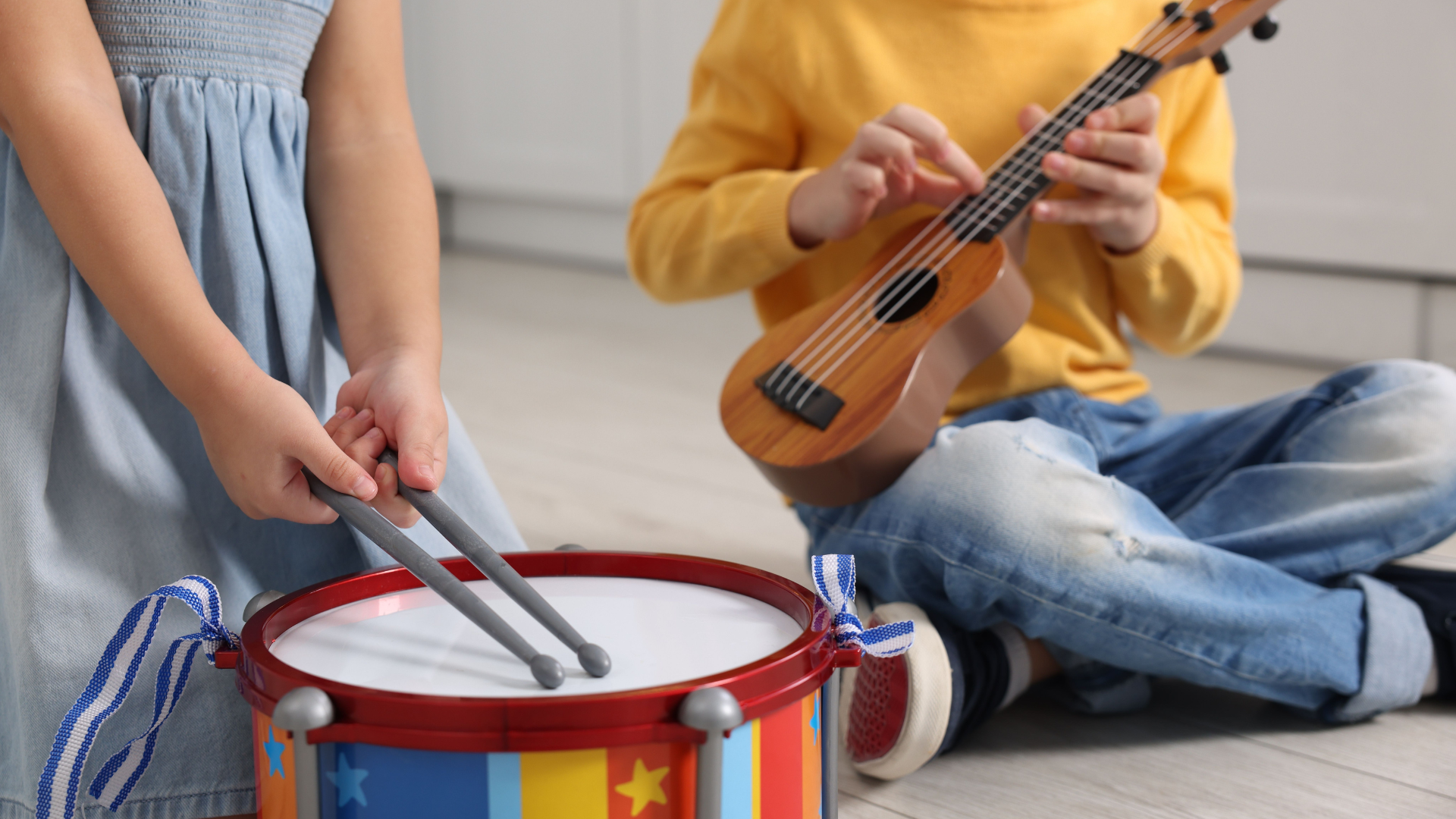
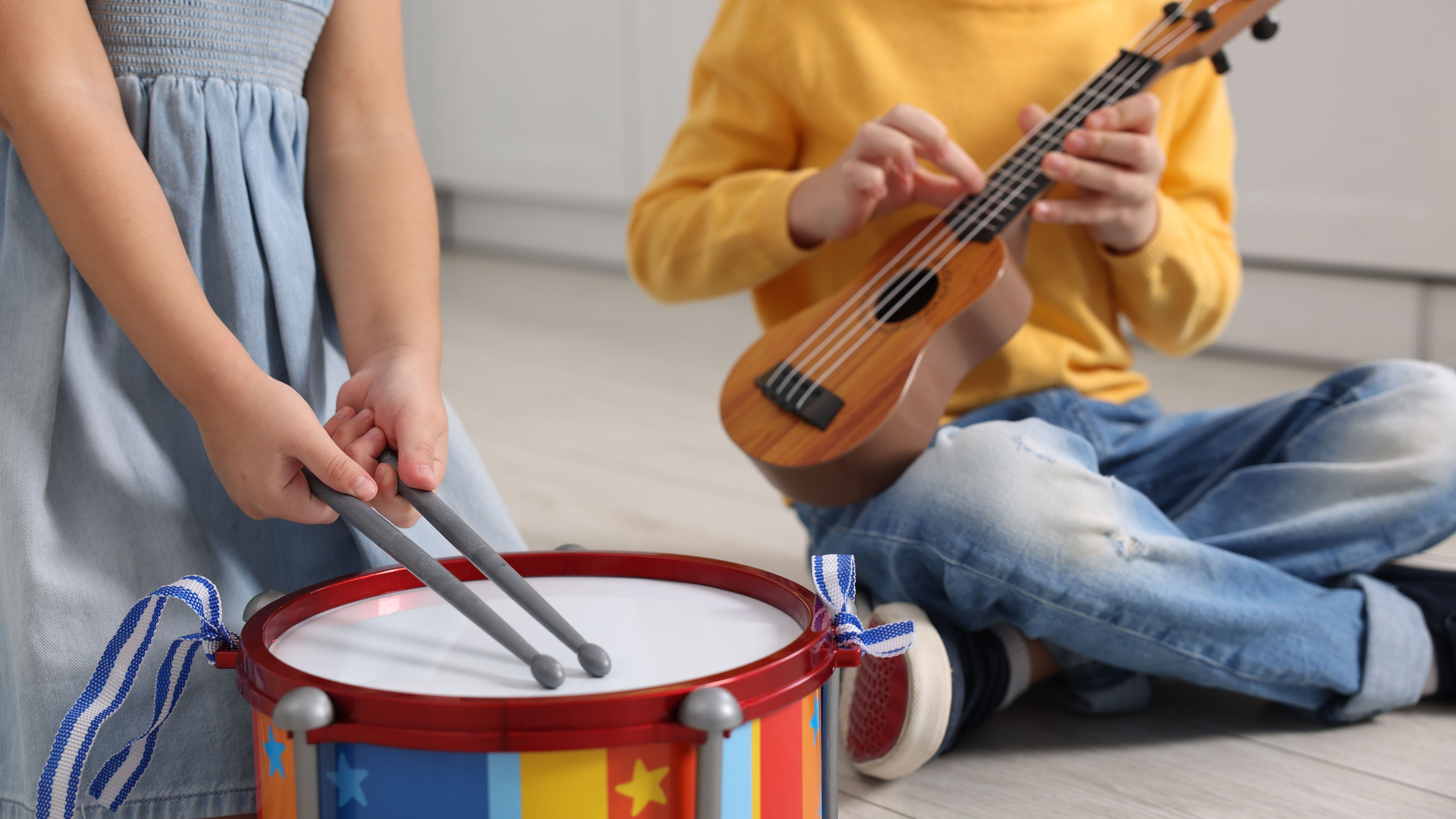
Music — rhythm, movement, and early exposure to musical concepts
Science Lab — hands-on experiments and inquiry-based learning
Technology / Computer Lab — early digital literacy in an age-appropriate setting
Spanish — introductory language exposure during the years children absorb new languages most easily
Library — structured storytime, book handling, and a love of reading built early
Physical Education (Gym) — gross motor development, coordination, and teamwork
Each rotation is led by a teacher who specializes in that subject, rather than a homeroom teacher stretching across every discipline at once.
Why Rotations Matter More Than They Seem To
1. Kids Learn From Multiple Teaching Styles
Every teacher has a natural approach — some are more structured, some more playful, some more hands-on. Rotating through several specialists exposes preschoolers to different teaching styles and communication approaches early, which builds adaptability. This matters more than it sounds: kindergarten and elementary school will not offer one consistent teacher for every subject, so early comfort with that shift gives kids a real head start.
2. Social Circles Expand Beyond the Homeroom
In a traditional single-classroom model, a child's entire social world during the day is 12–18 kids and one teacher. Enrichment rotations naturally widen that circle — children often rotate with peers from other classrooms, building friendships and social skills beyond their usual group. For only children or naturally shy kids, this gentle, structured social expansion can be especially valuable.
3. Specialist Teachers Go Deeper Into Each Subject
A homeroom teacher covering ten subjects a day can only go so deep into any one of them. A music specialist, by contrast, can build a genuinely progressive music curriculum — one that develops week over week rather than being squeezed into ten-minute segments between other lessons. The same is true for science, technology, and Spanish. Depth compounds specifically because the subject has a dedicated expert and dedicated time.
4. Rotations Build Transition Skills Early
Moving between rooms, teachers, and activities on a schedule is a skill in itself — one that most kids don't practice until elementary school, when they're often just expected to have it. Preschoolers in a rotation model start practicing structured transitions years earlier, in a low-stakes, supported environment. That translates directly into smoother adjustment when the school day gets more complex.
5. Kids Discover Interests They Might Not Find Otherwise
A child who never gets structured exposure to music or science may simply never know they love it. Rotations act as a low-pressure sampling ground — kids get real exposure to a range of subjects during the years when curiosity is at its peak, sometimes surfacing an interest or strength years before it would otherwise appear.
What to Ask When Touring a Preschool With Rotations
Not all "enrichment" programs are created equal. Some schools use the word loosely to describe occasional special activities, while others build it into the weekly structure with dedicated staff and space. When touring, ask:
How often does my child rotate, and for how long each session?
Are rotation teachers subject specialists, or rotating homeroom teachers?
Is there dedicated space for each rotation (a real science lab, library, gym — not a shared multipurpose room)?
How is progress in each subject area tracked and communicated to parents?
Frequently Asked Questions
What subjects are typically included in preschool enrichment rotations? Common rotation subjects include music, science, technology/computer lab, foreign language (often Spanish), library/reading, and physical education. Some schools also include art or performing arts as a distinct rotation.
Are enrichment rotations only for older preschoolers, or do younger kids participate too? Most schools introduce rotations gradually, with shorter, simpler sessions for toddlers and more structured, subject-deep sessions as children approach kindergarten age. The exact structure varies by school, so it's worth asking about age-specific scheduling on a tour.
Do enrichment rotations replace core academic learning? No — rotations supplement, rather than replace, core classroom learning like early literacy and math. The homeroom classroom typically covers foundational academic skills, while rotations add depth in specific subject areas and build social and transitional skills.
How do enrichment rotations help with kindergarten readiness? Rotations build early comfort with multiple teachers, scheduled transitions, and varied subject matter — all of which mirror the structure of elementary school far more closely than a single-teacher classroom does. Children who've practiced this rhythm in preschool tend to adjust to kindergarten's more complex schedule with less friction.
See Enrichment Rotations in Action
At The Woodlands Young Learners Academy, enrichment rotations aren't an occasional special — they're a built-in part of every child's week, supported by an on-site library, computer lab, music room, science lab, and gym. It's one of the reasons TWYLA has been voted one of the best preschools and childcare centers in The Woodlands for 13 consecutive years. Families near Spring can find the same rotation model at our sister campus, Oak Ridge Young Learners Academy.
Schedule a tour and see a rotation day for yourself:
The Woodlands Young Learners Academy 📍 1500 Woodstead Court, The Woodlands, TX 77380 📞 832.257.3563 🕐 Monday–Friday, 7:00 a.m.–6:00 p.m. Schedule a Tour →
Oak Ridge Young Learners Academy 📍 25511 Richards Rd, Spring, TX 77386 📞 346.331.5252 🕐 Monday–Friday, 7:00 a.m.–6:00 p.m. Schedule a Tour →